Organic Feed Ingredient Supplier
English
Organic Feed Ingredient Supplier
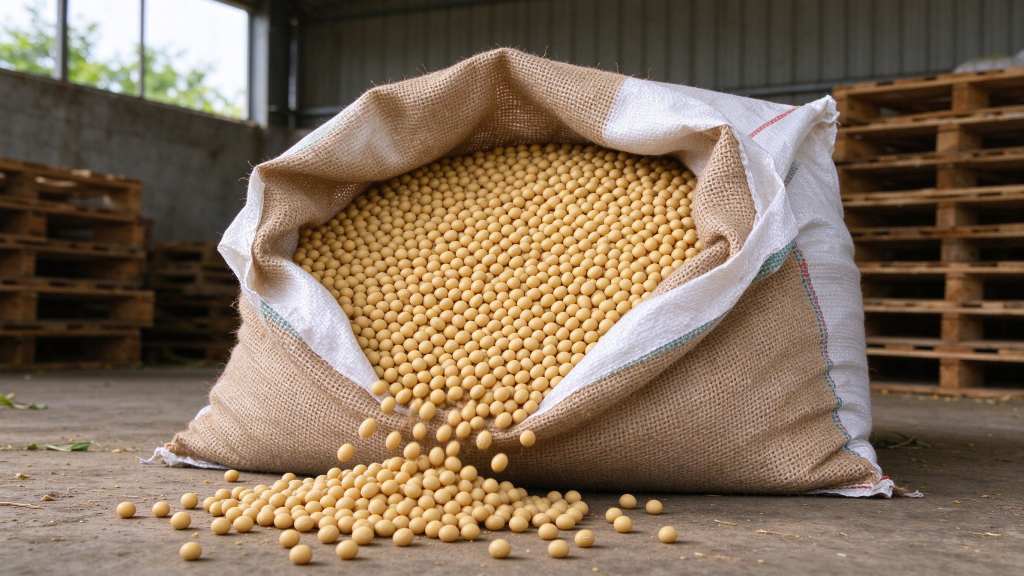
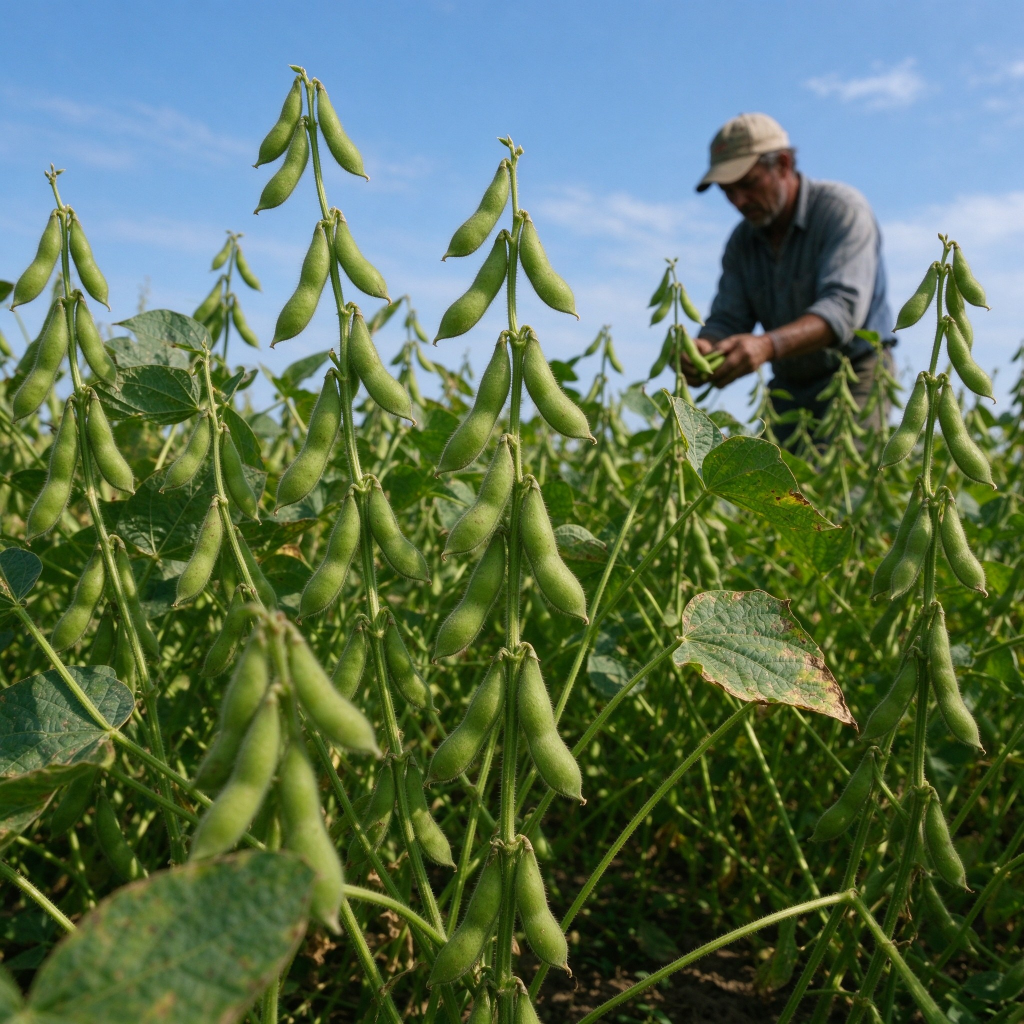
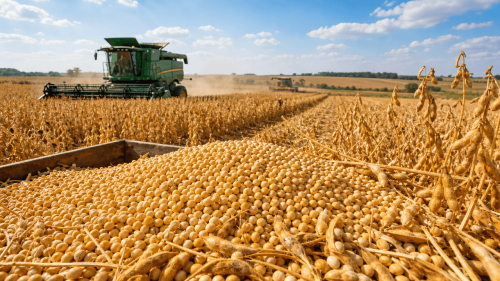
Conventional soybean cultivation commonly uses synthetic nitrogen fertilisers, herbicides and pesticides to boost yields and suppress weeds. Many conventional varieties are genetically modified, a feature completely banned for EU organic feed. Organic soya bean is grown under organic farming protocols: crop rotation, green manures, biological pest control and zero synthetic agrochemical inputs. The land must undergo a multi-year conversion period before crops can be labelled organic.
This long conversion period is one reason organic soya bean has a smaller global supply pool and a higher price point compared with conventional soya.
Organic soya bean and conventional soya have comparable baseline protein levels, around 36–38% crude protein for whole beans. The main practical difference comes down to processing control. When organic soya bean is cold pressed to create organic soybean expeller, controlled heating reduces anti-nutritional compounds such as trypsin inhibitors and phytic acid, improving protein digestibility for animals.
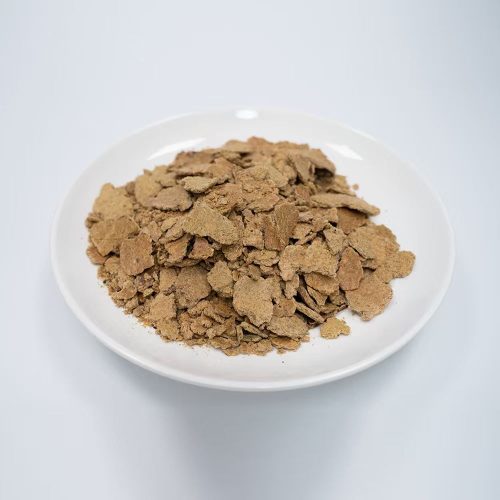
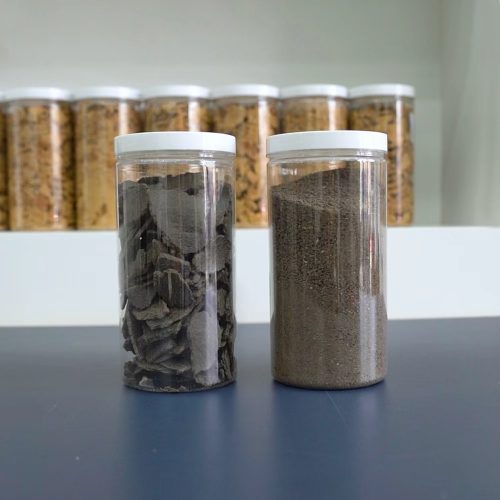
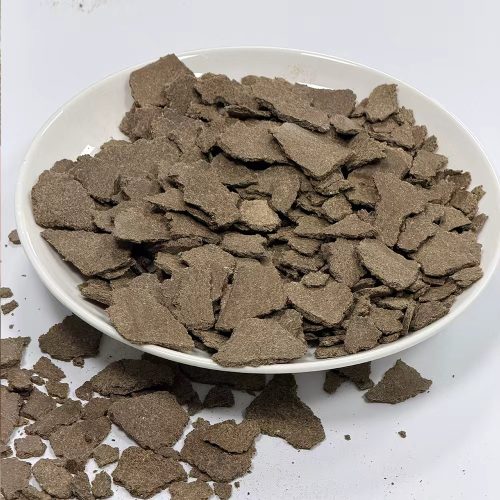
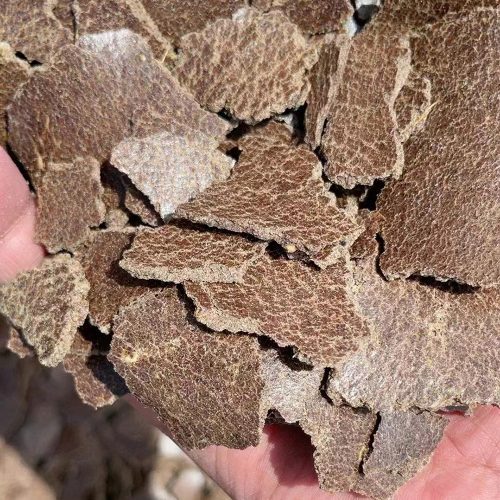
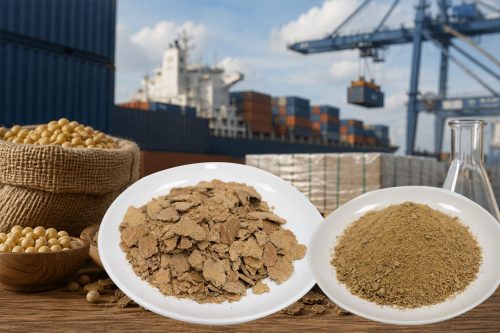
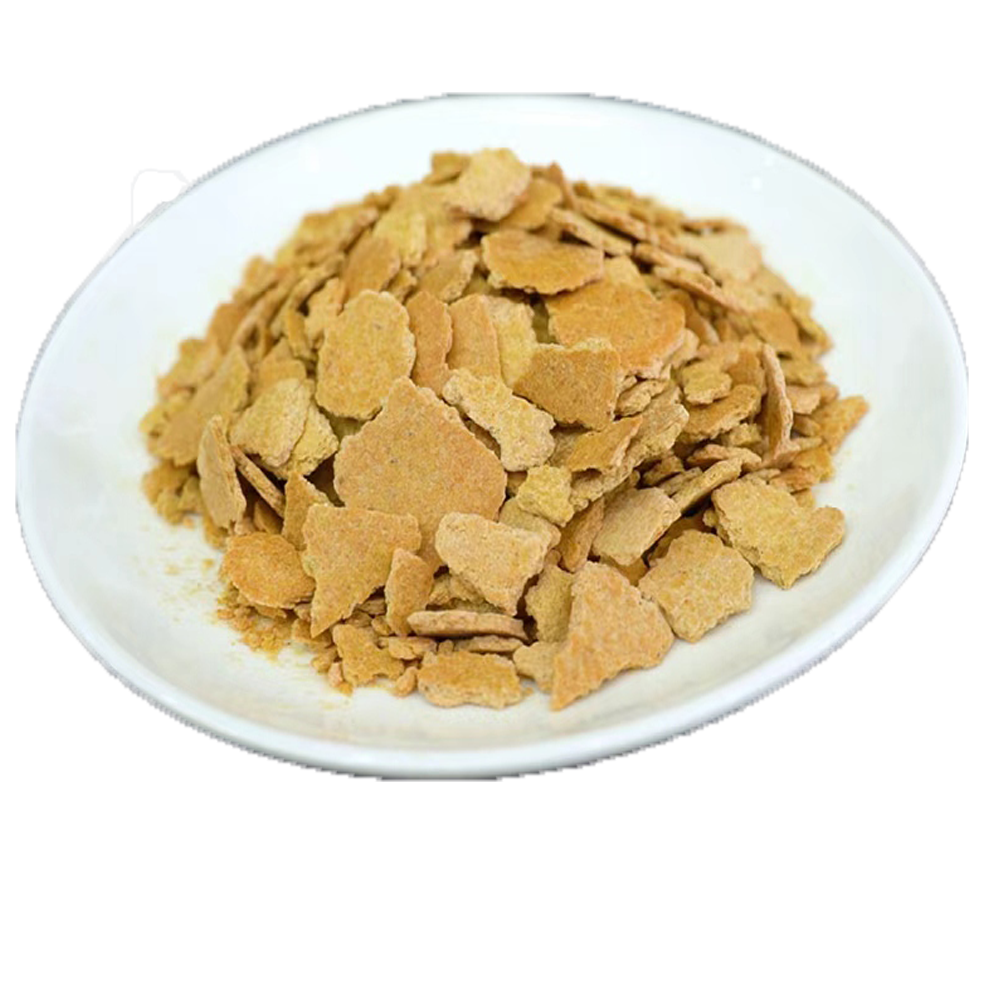
Conventional soybean meal is often solvent-extracted at large industrial facilities, a processing method not permitted for many organic feed applications. Organic soybean expeller's mechanical cold pressing preserves natural fat content and avoids chemical residues.
Table 1. Organic soya bean vs conventional soya at a glance
| Dimension | Organic soya bean | Conventional soya |
| Fertilisation | Rotation + organic amendments | Synthetic N fertilisers allowed |
| Crop protection | Biological / mechanical only | Synthetic herbicides & pesticides |
| GMO | Banned — non-GMO by definition | Common, GM varieties widespread |
| Processing | Cold pressed (expeller) | Often solvent-extracted |
| Certification | EU 2018/848 + traceability | Not required for organic use |
| End market | Organic feed only | Conventional feed |
| Price | Organic premium | Reference / commodity |
This is the most critical distinction for European feed mills. Every shipment of organic soya bean requires full traceability from farm to buyer, plus valid organic transaction certificates. Conventional soya carries no such requirement. If organic soya bean is mixed with conventional soya at any stage, the entire batch loses its organic status.
Suppliers of organic soya bean must maintain physical segregation of organic stock from conventional crops in storage and transport. Northern Yinong (Dalian) implements strict stock segregation protocols for organic soya bean and finished organic soybean expeller to eliminate cross-contamination risk.
Organic animal production standards require all major feed raw materials to be organically certified. Using conventional soya automatically disqualifies the end meat, milk or eggs from organic labelling. Therefore organic soya bean and organic soybean expeller are not just a product choice but a regulatory requirement.
Organic soya bean commands a premium price, but buyers must weigh this against market benefits: organic animal products carry higher selling prices for farmers. Price volatility also differs — conventional soya prices react strongly to global commodity markets, while organic soya bean supply is constrained by available certified farmland, leading to different seasonal price cycles.
To use organic soya bean in EU feed, a buyer must follow a certification chain that runs from the field to the finished feed. Each operator — the grower, the processor who presses the bean, the trader who ships it, and the feed mill that compounds it — must be certified or registered by an approved control body. For imported organic soya bean, an additional step applies: the shipment must be accompanied by a transaction certificate (or an import certificate under EU electronic systems) that confirms the lot was produced under recognised organic standards and has not been commingled with conventional product.
In practice, a feed mill should ask the supplier for the certificate that covers the specific lot being purchased, not a general company certificate. The certificate should name the product, the quantity, the origin and the control body, and it should be traceable to a batch number. When the organic soya bean arrives, the mill keeps this documentation on file for its own organic inspection, because an organic control body can audit the entire chain at any time. A missing or mismatched certificate is a compliance problem even when the grain itself is perfectly clean.
Documentation alone does not protect organic status; physical segregation does. From the farm storage bin to the container at port, organic soya bean must be kept separate from conventional soya. This means dedicated silos or thoroughly cleaned storage, dedicated or washed transport, and clear batch identity at every transfer point. When a supplier presses organic soya bean into organic soybean expeller, the pressing line must be cleaned between conventional and organic runs, or run exclusively on organic material.
Buyers should verify segregation practices as part of supplier qualification, not assume them. Ask how storage is managed, how lines are cleaned, and what sampling is done between batches. A supplier that can describe a clear segregation protocol — and provide records for it — is far less likely to deliver a contaminated lot than one that treats organic as a paperwork label.
Many procurement teams only check crude protein values when evaluating organic soya bean. But digestibility, residual anti-nutrients, moisture level and foreign matter are equally important. Two batches of organic soya bean with identical protein percentage can perform very differently in animal feed, based on growing season and processing quality.
Q: Can I blend conventional soya and organic soya bean in organic feed?
No. EU organic regulations prohibit mixing non-organic soya into organic feed rations.
Q: Does organic soya bean have higher protein than conventional soya?
Not inherently. The main advantage is compliance, zero synthetic chemical residues and the non-GMO guarantee.
Q: Why is organic soybean expeller preferred over solvent-extracted meal?
Cold mechanical pressing complies with organic processing rules and retains natural fat for extra dietary energy.
The divide between organic soya bean and conventional soya extends far beyond farming methods. For feed manufacturers serving the European organic livestock sector, certified organic soya bean and its derivative organic soybean expeller are mandatory raw materials. Supplier traceability, batch testing and segregation are as important as nutritional specifications when selecting organic soya bean suppliers.

We supply certified organic non-GMO seed meals for breeding and farming. Get fast bulk quotations and free samples.

Chinese (Simplified)

Dutch

English

French

German

Spanish