Organic Feed Ingredient Supplier
English
Organic Feed Ingredient Supplier
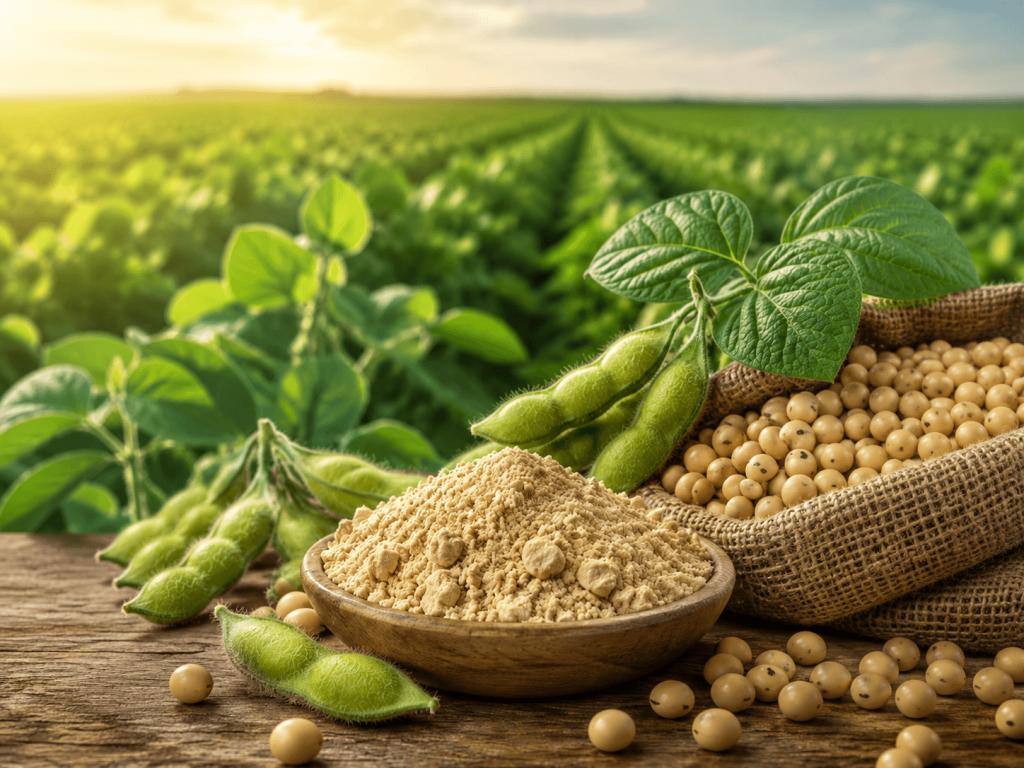
We hear this question from buyers all the time. And honestly? If you’re selling into conventional feed markets, maybe organic doesn’t make sense for you. But if your clients are organic poultry farms, dairy operations, or feed brands targeting the clean-label segment, the difference isn’t just about a label—it’s about market access.
Let’s break down what actually sets these two products apart.
The difference starts in the field.
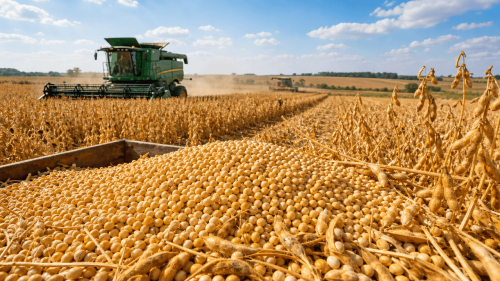
Organic soybeans are grown without chemical pesticides or synthetic fertilizers. Farmers rely on crop rotation, natural compost, and biological pest control to maintain soil health and plant growth.
Conventional soybeans? Standard agricultural chemicals, all the way. Herbicides, synthetic fertilizers, and chemical pesticides are routine parts of conventional soybean farming.
That alone changes the entire supply chain—from the farm to your feed mill. The farming practices affect everything from soil quality to the nutritional profile of the final meal.
This is where the two products truly diverge.
Organic soybean meal must come from non-GMO soybeans. Period. This is a hard requirement for organic certification in every major market—EU, US, and beyond.
Conventional meal has no such restriction. It can come from GMO soybeans, which make up the majority of global soybean production.
For European and American buyers, this is often the deciding factor. Many clean-label feed brands and organic livestock operations simply cannot accept GMO-derived ingredients, regardless of price.
Both organic and conventional meal can be expeller pressed. The processing technology itself is not the differentiator.
But here’s what matters: organic requires dedicated production lines to prevent cross-contamination with non-organic materials.
That means:
This isn’t just a nice-to-have—it’s a certification requirement. Organic certifiers conduct unannounced inspections to verify that production lines remain segregated.
Organic soybean meal comes with a stack of documents:
Conventional meal? None of that is required. A basic COA and commercial invoice are usually sufficient.
If your buyer needs organic certification, you simply cannot substitute conventional product and fake the paperwork. Customs authorities and certifying bodies have systems to verify every document. Counterfeit certificates will be caught—and the consequences can include container holds, fines, or even blacklisting from future exports.
Organic soybean meal goes to:
Conventional soybean meal serves the rest of the livestock feed market—the vast majority of commercial poultry, pig, and aquaculture operations.
Different customers, different requirements, different price points.
| Aspect | Organic Soybean Meal | Conventional Soybean Meal |
|---|---|---|
| Farming Practices | No chemical pesticides or synthetic fertilizers | Standard agricultural chemicals used |
| GMO Status | Must be non-GMO | No restriction (typically GMO) |
| Production Lines | Dedicated, segregated lines | Standard production lines |
| Certification | EU Organic, USDA NOP, GMP+ | No organic certification required |
| Traceability | Batch-specific, farm-to-mill | Basic batch tracking |
| Target Customers | Organic farms, clean-label brands | Commercial livestock operations |
| Price Point | Premium | Market rate |
The answer depends entirely on your customers.
If your clients are organic farms or clean-label brands, there’s no substitute for certified organic soybean meal. The documentation, the non-GMO status, and the production segregation are all non-negotiable requirements.
If you supply conventional feed operations, organic meal may not offer additional value—and the premium price won’t be justified.
If you’re sourcing for an organic feed line and need certified non-GMO soybean meal with full documentation, we’re here to help.
We supply organic soybean meal with:
📩 Send us your requirements – we’ll provide our full certificate package and a quote within 24 hours.
Q: Is organic soybean meal nutritionally better than conventional?
A: The protein content is comparable when specifications are matched. The key differences are in farming practices, GMO status, and certification—not in basic nutritional value.
Q: Can I mix organic and conventional soybean meal in the same batch?
A: No. If you label the final product as organic, every ingredient must be certified organic. Mixing would break certification requirements.
Q: Is organic soybean meal worth the premium price?
A: For organic feed producers, it’s not a choice—it’s a requirement. The premium is the cost of accessing the organic market.
Q: What does “dedicated production lines” actually mean?
A: It means the processing equipment used for organic meal is not shared with conventional meal, or it is thoroughly cleaned and inspected between runs to prevent cross-contamination.
Q: How do I verify that a supplier’s organic certificate is valid?
A: Check the issue and expiry dates, then contact the certifying body directly using the details on the certificate. Many certifiers also offer online verification.
Q: How long does it take to ship organic soybean meal from China to Europe?
A: Ocean transit typically takes 45–50 days to major European ports. Lead time from order confirmation to loading is usually 7–14 days.
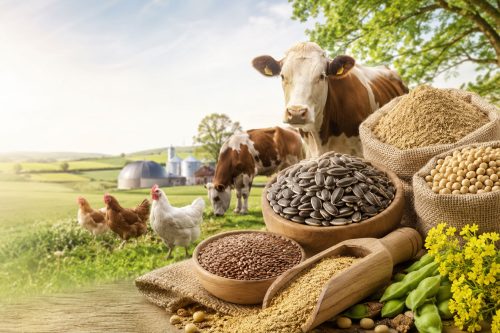
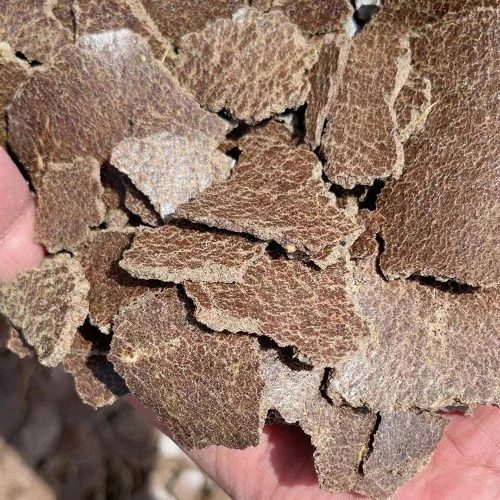
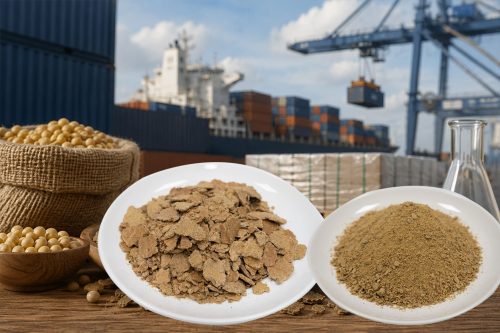

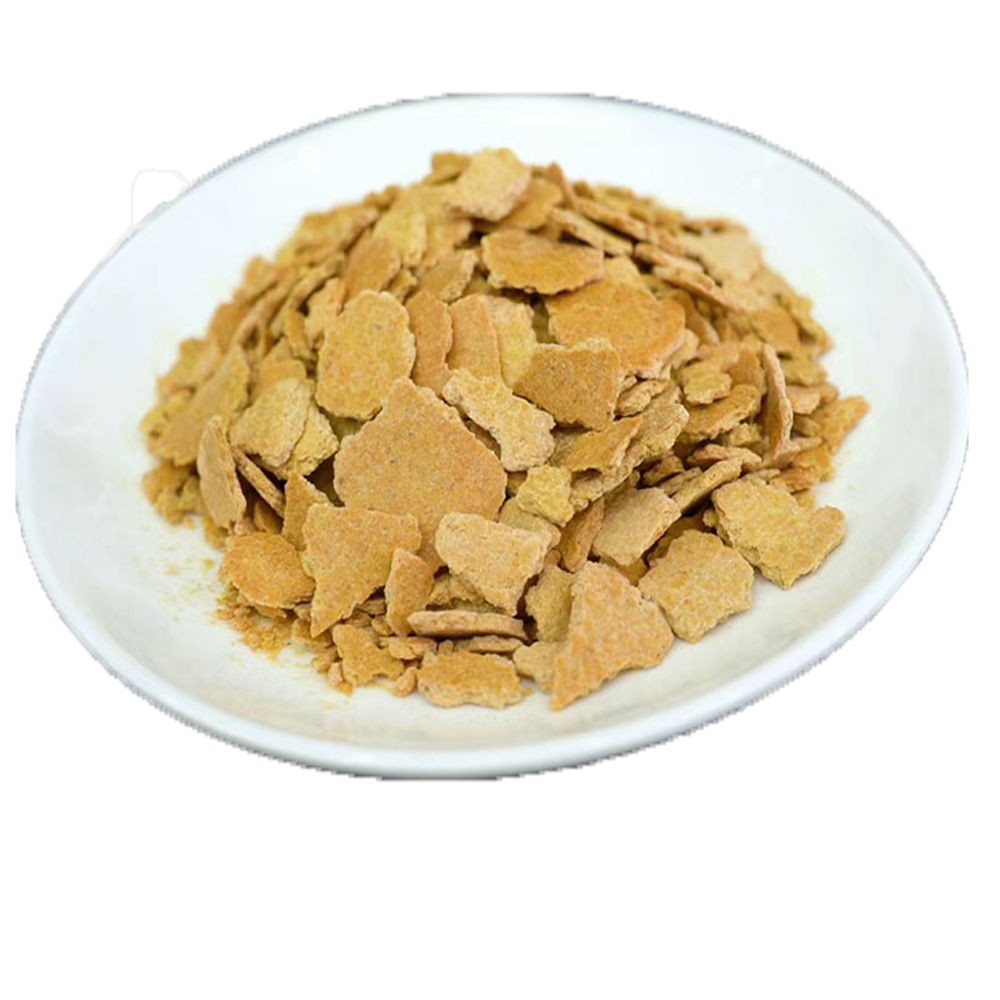
We supply certified organic non-GMO seed meals for breeding and farming. Get fast bulk quotations and free samples.
Chinese (Simplified)

Dutch

English

French

German

Spanish