Organic Feed Ingredient Supplier
English
Organic Feed Ingredient Supplier
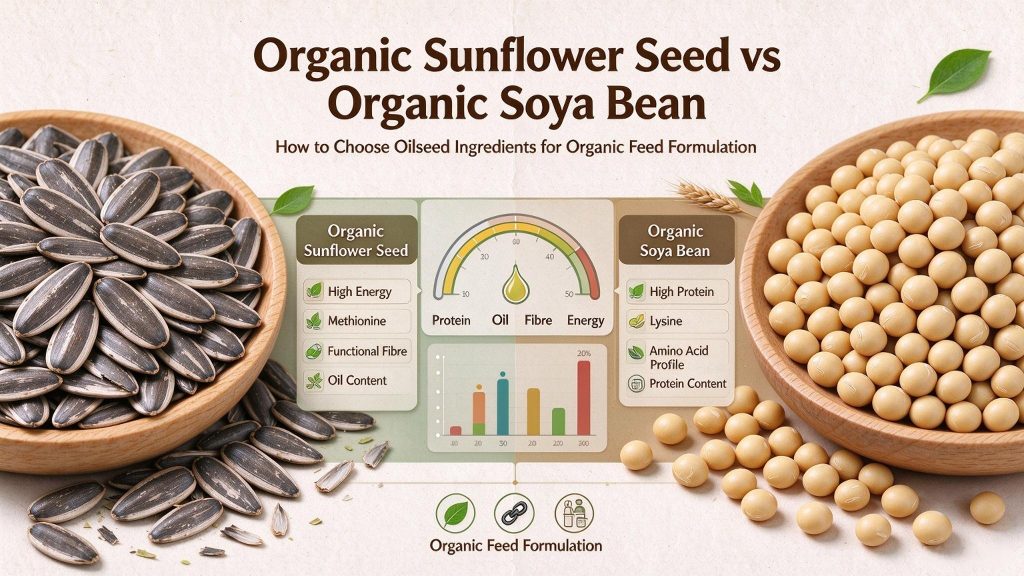
Feed formulation for organic livestock often involves choosing between two leading certified oilseed raw materials: organic sunflower seed and organic soya bean. Each has unique nutritional strengths and best-fit animal applications, and many feed mills use both in combination to create balanced rations. Organic soya bean delivers high crude protein and strong lysine content, while organic sunflower seed brings high dietary energy, methionine and functional fibre via organic sunflower expeller. Understanding their differences helps formulators optimise animal performance while managing ingredient costs and supply stability.
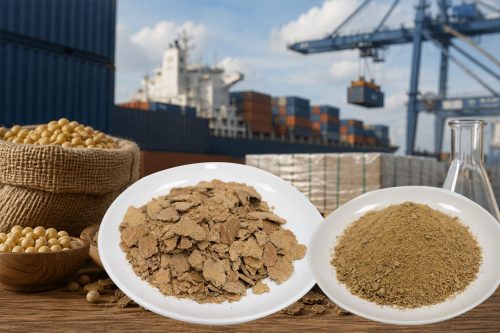
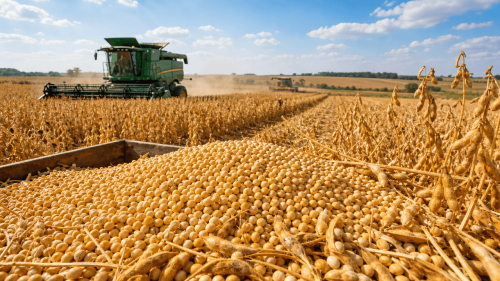
Whole organic soya bean:
Whole organic sunflower seed:
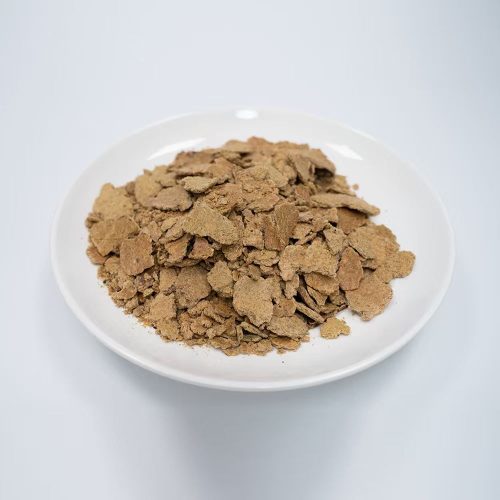
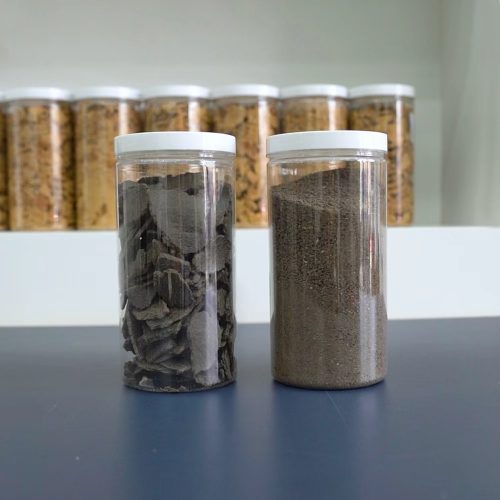
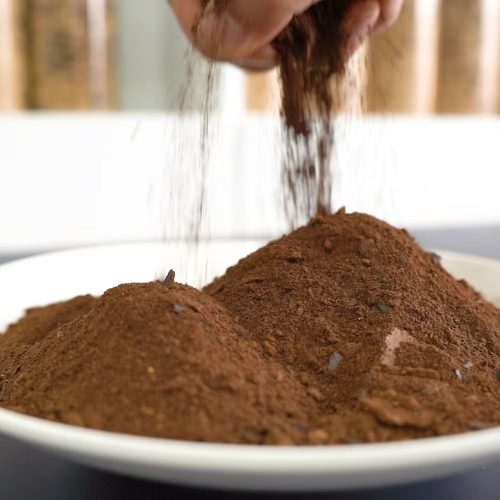
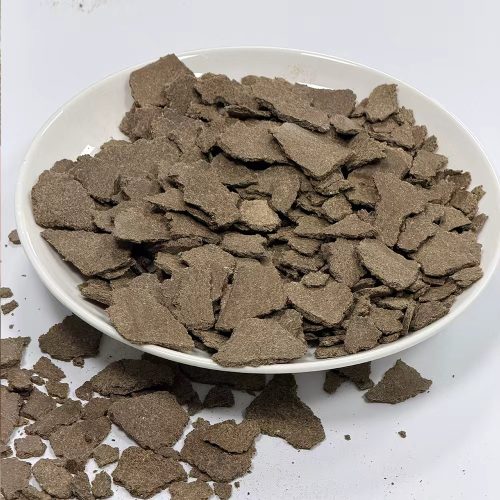
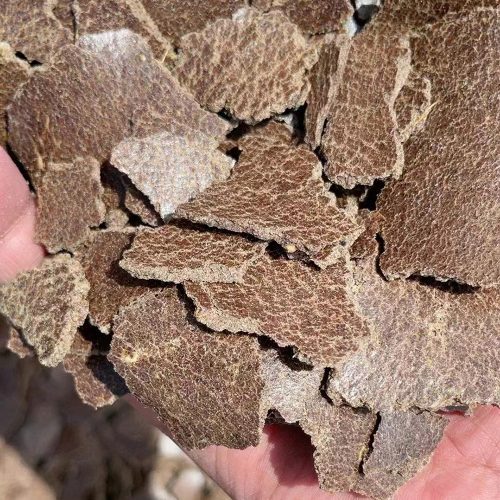
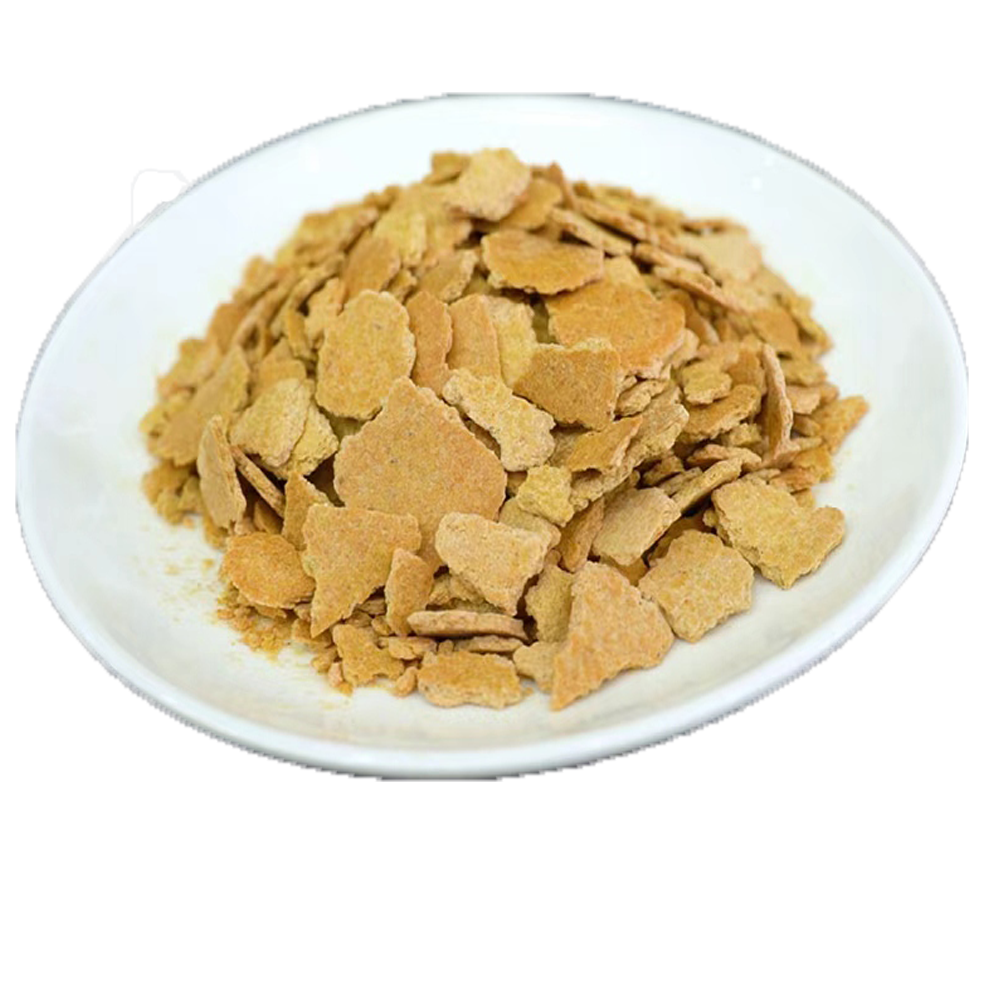
Their expeller-pressed derivatives:
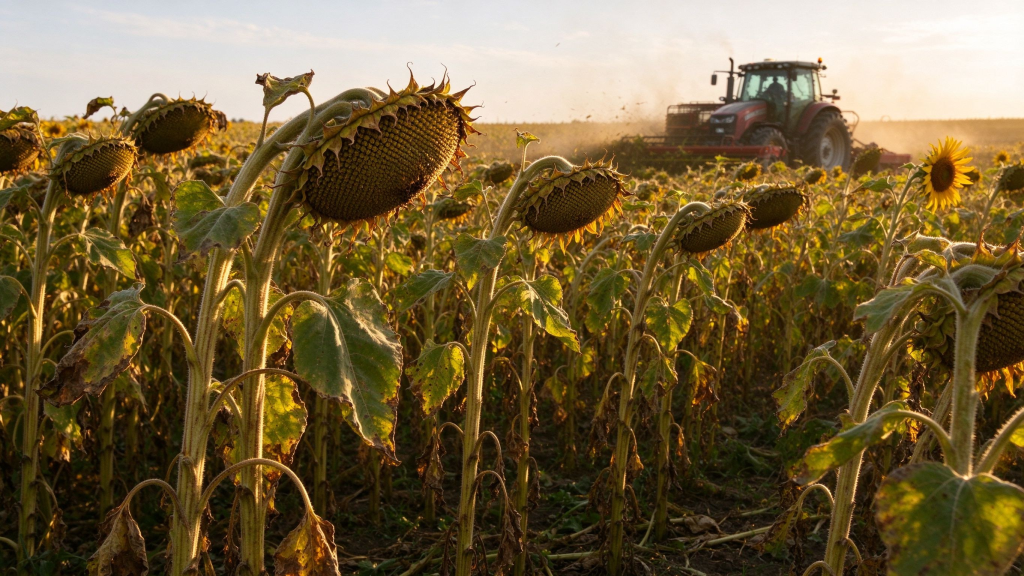
Harvesting organic sunflower seed for feed processing. (Alt: organic sunflower seed harvest for organic feed ingredient production)
Best for monogastric livestock: organic broilers and layers need the high lysine and balanced amino acids of organic soya bean for rapid growth and egg production. Organic pigs also perform best on organic soya bean protein. In ruminants, organic soybean expeller provides quality bypass protein for high-yielding dairy cows.
Best for ruminant livestock: dairy cows, beef cattle, sheep and goats tolerate the higher fibre well and benefit from the oil's energy, which improves milk fat. In monogastric diets, organic sunflower expeller is a valuable supplementary protein and energy source, typically blended with organic soya bean to balance amino acids and methionine.
The most cost-effective approach for most organic feed mills is to blend the two ingredients. Because organic sunflower seed is high in methionine but lower in lysine, pairing it with organic soya bean (which is lysine-rich) produces a more complete amino acid profile than either source alone. This reduces dependence on any single raw material and stabilises both nutrition and cost.
Organic soya bean vs organic sunflower seed derivatives
| Parameter | Organic soybean expeller | Organic sunflower expeller |
| Crude protein | 42–46% | 28–32% |
| Residual oil | 7–9% | 8–12% |
| Key amino acid | Lysine-rich | Methionine-rich |
| Best fit | Poultry, swine, high-yield dairy | Ruminants, blending |
| Processing | Cold pressed, solvent-free | Cold pressed, solvent-free |
Organic sunflower seed is often priced more competitively than organic soya bean on a delivered basis, partly because sunflower grows well across Eastern Europe and the Black Sea region, giving buyers alternative origins. This supply flexibility helps feed mills manage the higher premium that organic soya bean typically commands. When combined, the two ingredients let formulators hit both protein and energy targets while controlling cost per tonne of delivered nutrient.
To see how the two ingredients work together, consider a simple organic dairy concentrate. The formulator needs a protein base and an energy supply within one ration. A blend that uses organic soya bean as the protein anchor — for lysine and overall amino acid balance — and organic sunflower seed or expeller as the energy and methionine contributor can improve the overall amino acid profile compared with either ingredient alone. Because organic sunflower seed is high in methionine but lower in lysine, and organic soya bean is the reverse, the pairing is nutritionally complementary rather than redundant.
The same logic applies to organic poultry and swine. Organic sunflower expeller can replace part of the organic soya bean in the ration, freeing some lysine-dense protein while adding methionine and energy. The exact inclusion depends on species, stage and target performance, but the principle is consistent: blending gives the formulator more tools to balance cost and nutrition than relying on a single oilseed.
When choosing between organic sunflower seed and organic soya bean products, buyers should read the Certificate of Analysis rather than the product name alone. Two expeller products can differ meaningfully in protein, residual oil and fibre depending on how much husk was retained and how thoroughly the oil was pressed. For a ruminant ration, a higher-fibre expeller may be perfectly appropriate; for a poultry ration, a lower-fibre, higher-protein product is usually preferred. Comparing certificates side by side is the only reliable way to select the right ingredient for the job.
In addition to the analysis values, buyers should check the processing claim on the certificate — in particular that the expeller was produced by mechanical pressing without solvents. This matters for organic compliance and for the clean-label expectations of European organic feed buyers. A certificate that is specific about product form, pressing method and residual oil is far more useful than a generic analysis, because it lets the formulator match the ingredient precisely to the ration.
Q: Which is better, organic sunflower seed or organic soya bean?
Neither is universally better. Organic soya bean is superior in protein and lysine for monogastric animals; organic sunflower seed offers more energy and methionine and suits ruminants. Most organic feed mills blend both.
Q: Can I replace organic soya bean entirely with organic sunflower seed?
Not in most rations, because organic sunflower seed is lower in protein and lysine. It works best as a complementary ingredient alongside organic soya bean.
Q: Is organic sunflower expeller suitable for poultry?
Yes, in moderate inclusion and usually blended with organic soya bean to balance amino acids, particularly methionine and lysine.
Choosing between organic sunflower seed and organic soya bean is less about one being better and more about matching each ingredient to the animal, the formulation goal and the budget. Blending the two — using organic soya bean for protein and lysine, and organic sunflower seed for energy and methionine — gives organic feed mills a robust, cost-effective and supply-flexible formulation.

We supply certified organic non-GMO seed meals for breeding and farming. Get fast bulk quotations and free samples.

Chinese (Simplified)

Dutch

English

French

German

Spanish