Organic Feed Ingredient Supplier
English
Organic Feed Ingredient Supplier
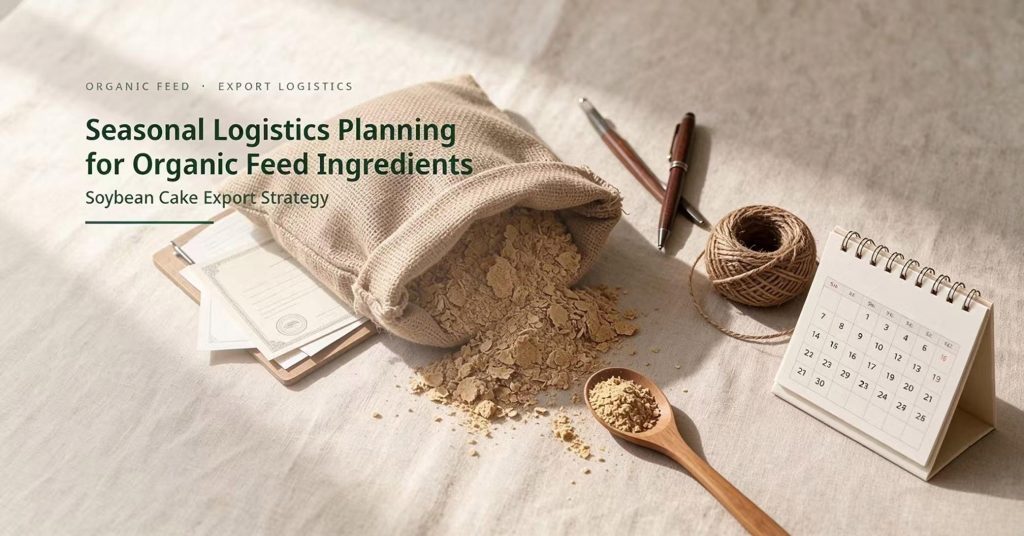
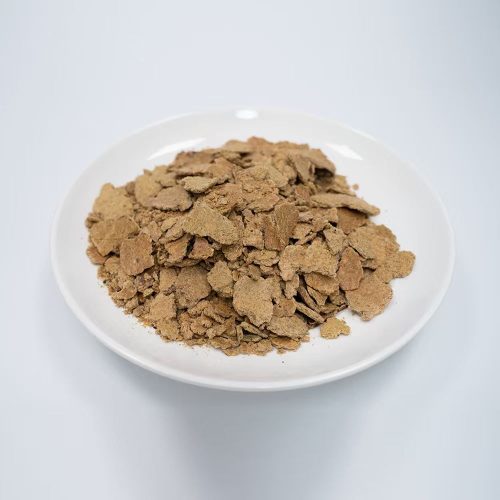
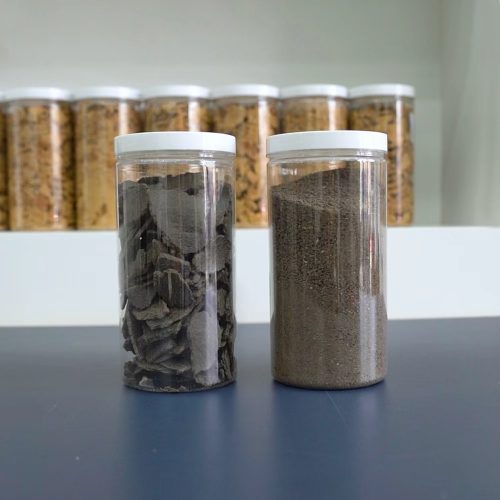
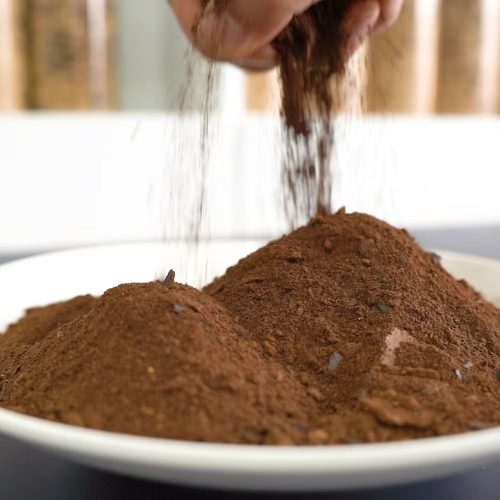
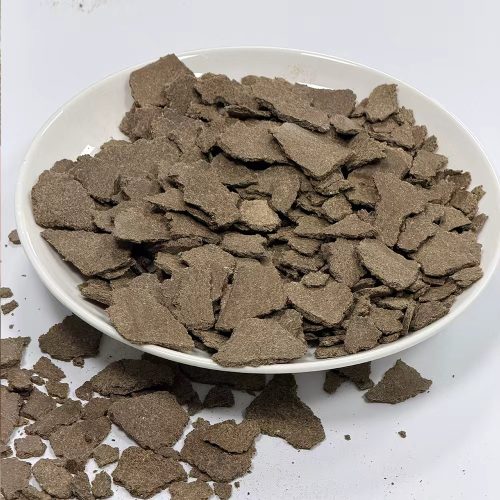
Organic soybean cake meal is a low-volume, high-compliance feed ingredient traded within tight supply windows. Unlike conventional soybean meal, every shipment requires valid organic certificates, IBD documentation, GMP+ traceability records and physical segregation from non-organic cargo. These compliance layers make seasonal logistics far more consequential than for standard oilseed by-products. European feed mills plan their raw material intake around harvest cycles, liner capacity fluctuations, Suez Canal transit patterns and holiday congestion. For exporters, seasonal planning is not simply booking space early; it is a structured framework to align production, certification, container allocation, cash flow and safety stock, while clarifying each party’s operational obligations and seasonal risks.
EU official TRACES import data for 2023 shows total organic oilseed cake imports into the EU reached 175,880 tonnes, down 21.1% year-on-year. China supplied 134,690 tonnes, accounting for 76.6% of this organic cake import volume. Notably, organic cake represents only 0.8% of the total soybean cake meal imported into the EU, reflecting the narrow, specialised nature of this market. The Netherlands is the primary entry hub for Northern European feed distribution, yet its organic cake import volumes fell by roughly 20% in the same reporting year, partly due to seasonal liner space shortages and organic cargo segregation constraints. USDA oilseed market reports further illustrate the global competitive rhythm: South American soybean meal export peaks fall between April and May, creating downward pressure on European spot buying interest. From August through October, trans-Pacific and Far East–Europe freight rates normally enter an upward peak window, coinciding with European feed mills building winter feed inventories.
The biggest seasonal trade disruption for north China-origin organic soybean cake is the Lunar New Year shutdown cycle. Factories, inland transport depots and certification laboratories suspend normal operations for 14–21 days. If production and sampling are not scheduled in advance, ready cargo can wait for certification reports for weeks, missing locked container bookings. Carriers also reduce liner frequency and roll more cargo during this period. In recent years, diversion via the Cape of Good Hope has become another seasonal variable: when Red Sea transit risk rises, transit time extends from the standard 35–42 days to 42–46 days. This extension compresses the buyer’s inventory cycle and increases holding pressure on feed mills, while the exporter still must honour loading windows agreed in the contract. It is critical to distinguish that voyage diversion risk is a carrier and route event, not a production or preparation failure by the seller.
We build our seasonal planning calendar around four high-risk periods: Q1 (Lunar New Year + North China winter freeze), Q2 (South American soybean export competition), Q3–Q4 (freight peak + European pre-winter stock build). For each season, we share forecasted lead times with buyers before contract confirmation. Our internal protocol includes pre-testing batches one cycle ahead, reserving dedicated segregated storage for certified organic cargo, and locking provisional liner space 30–45 days prior to intended stuffing for peak-season shipments. However, we cannot guarantee fixed freight rates or non-roll containers, because carrier allocations, global vessel blank sailings and emergency route diversions sit outside our direct control. We act as a proactive coordinator, not a carrier risk underwriter.
From the buyer side, seasonal planning requires feed mills to separate two types of stock: cycle stock for regular consumption and safety stock for logistics disruption. Using a practical example based on our historical shipment cycle: a Dutch feed mill consuming 60 tonnes of organic soybean cake per week, with a nominal lead time of 4.5 weeks and a 2-week seasonal contingency buffer, the recommended safety stock benchmark is 266 tonnes. This buffer absorbs delays caused by blank sailings, cargo roll, Red Sea re-routing or port congestion. Many European buyers underestimate this buffer in low-freight seasons and face stock-outs in Q4, which is why we include inventory modelling in our seasonal logistics consultation. This modelling is advisory, not a binding stock requirement; the final purchasing rhythm and inventory investment decision remains with the buyer’s procurement and finance team.
Packing and certification workflows also carry seasonal sensitivity. In winter, frozen inland roads can delay trucking from organic processing bases to the loading port; sampling labs may have longer turnaround times. In summer, high ambient temperature increases the pre-shipment cooling requirement for soybean cake, which ties back to the moisture control principles outlined in our companion logistics blog. Organic segregation is harder to enforce during peak port throughput, as terminals prioritise fast-turnaround conventional bulk cargo. We therefore nominate depots with dedicated organic handling zones, but terminal handling priority is ultimately controlled by the port operator.
Contract terms should reflect seasonal volatility. For peak-season shipments, we recommend buyers consider split shipments instead of single large parcels, to reduce the impact of one roll or diversion event. Price clauses can separate base commodity value from provisional freight, with freight adjusted at the time of booking, rather than fixed for distant peak-season loading. When the buyer arranges vessel space, the buyer bears the risk of vessel delays or blank sailings; when our team arranges carriage, we coordinate the booking process, but delays triggered by carrier decisions remain outside our liability. When our scope covers end-to-end delivery to the buyer’s nominated warehouse, we build extra buffers into planning and quotation, after reviewing seasonal congestion, border inspection backlogs and route security forecasts.
Communication rhythm is the glue of seasonal logistics. We publish quarterly seasonal logistics briefings for our organic feed buyers, updating freight outlooks, lab lead times, port bottlenecks and certification processing schedules. Our goal is to reduce surprise, not to eliminate all market volatility. No exporter can fully insulate a bulk organic feed supply chain from global liner market shocks, seasonal harvest competition or geopolitical route disruption.
To conclude, seasonal logistics planning for organic soybean cake is a joint exercise. We manage production scheduling, pre-emptive certification, segregated cargo holding and early space reservation within our operational scope. We provide transparent forecasts, inventory modelling advice and flexible split shipment options. But vessel cancellations, freight spikes, terminal congestion and route diversions are external market risks. Buyers match this planning by setting appropriate safety stock, arranging vessel space or delivery scope to suit their own risk appetite, and building purchasing lead times that match seasonal reality. Aligned seasonal planning helps both sides protect organic integrity, avoid production stoppages and keep long-term commercial partnerships stable.

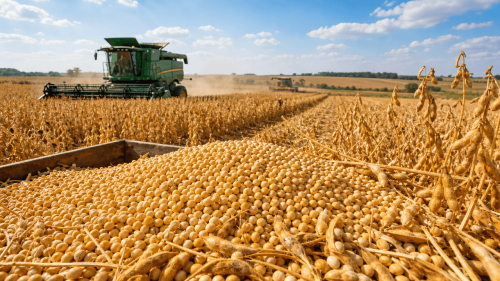

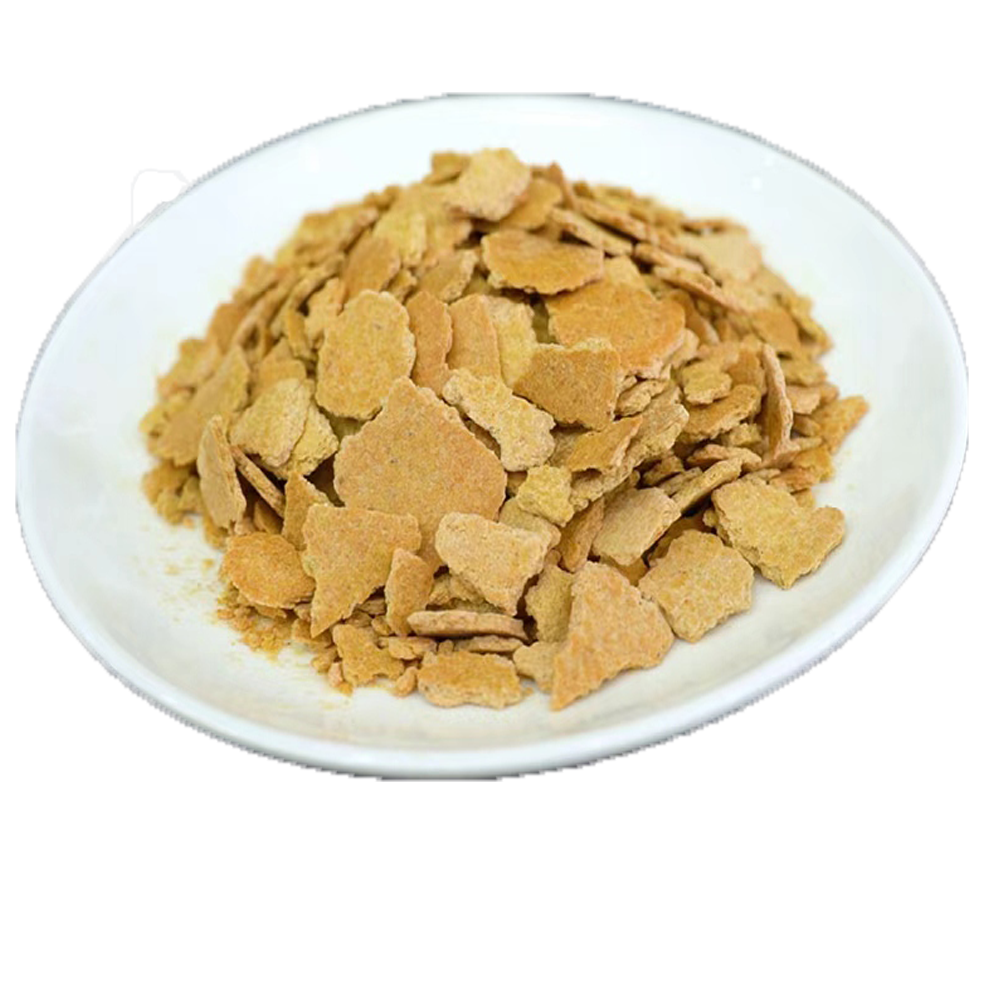
We supply certified organic non-GMO seed meals for breeding and farming. Get fast bulk quotations and free samples.

Chinese (Simplified)

Dutch

English

French

German

Spanish