Organic Feed Ingredient Supplier
English
Organic Feed Ingredient Supplier
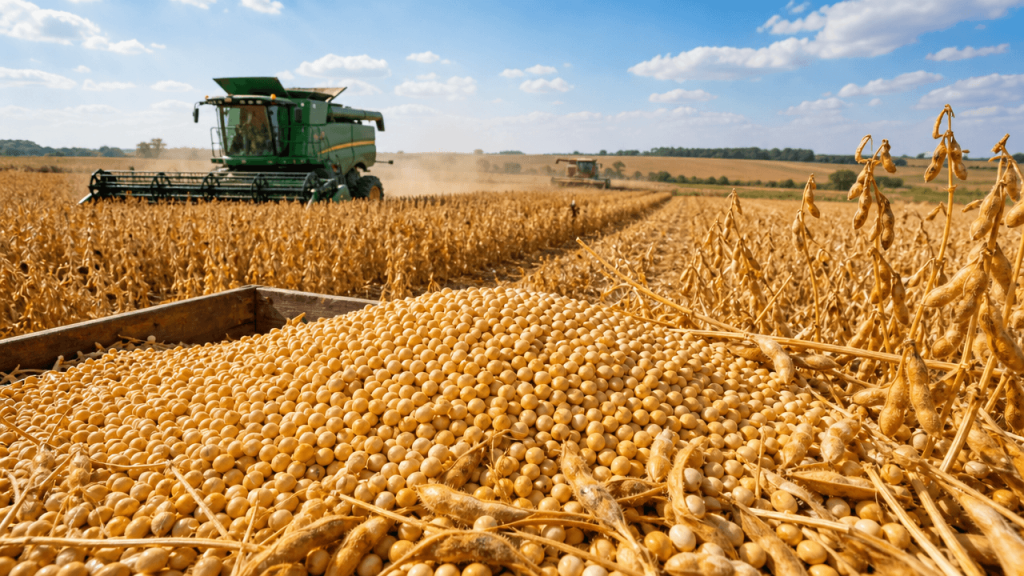
You’ve finally secured a contract with a German buyer for your organic poultry feed line. The shipping date is confirmed. Then your soybean meal supplier fails to provide the organic certificate for the batch. Customs holds the container. Your client is furious.
This scenario plays out more often than most buyers expect. Over the years, we’ve seen feed manufacturers and importers learn this lesson the hard way: not every organic soybean meal supplier delivers what they promise.
Here’s what actually matters when evaluating a new supplier—and the red flags you should never ignore.
A reliable supplier should hand you EU Organic, USDA Organic, and GMP+ certificates without you even asking. But don’t stop there.
Request batch-specific traceability documents. A supplier that cannot trace a bag of meal back to the specific farm it came from is not a supplier you want to work with. Traceability is not optional in organic supply chains—it is the foundation of trust.
What to ask for:
Red flag: The supplier hesitates or says “we’ll send it later.” Certificates should be ready before you ask.
Crude protein should hit at least 45%, but more importantly, it should stay there—batch after batch.
Why does this matter? If your protein numbers fluctuate, you are constantly reformulating your feed recipes. That costs time, money, and product consistency. We have worked with clients who switched suppliers simply because they were tired of adjusting formulas every other shipment.
What to ask for:
Red flag: The supplier provides one “ideal” COA but cannot show historical batch data.
Solvent-free expeller pressing is not just a marketing term. It is what your organic livestock customers actually expect.
Chemical solvents have no place in organic feed. Mechanical pressing preserves more natural nutrition—and your clients in the dairy and poultry sectors will notice the difference in animal performance and product quality.
What to ask:
Red flag: The supplier cannot clearly describe their processing method or avoids the question.
A supplier may look great on paper, but can they actually deliver what you need, when you need it?
We have seen buyers sign contracts with suppliers who appeared reliable, only to face stockouts three months into the agreement. For feed manufacturers, a broken supply chain means production delays and unhappy customers.
Questions to ask:
Red flag: The supplier cannot commit to consistent monthly volumes or avoids discussing lead times.
Every shipment should come with a complete documentation package. Do not wait until the container arrives at port to verify this.
Essential shipping documents:
Red flag: The supplier says “we’ll send it later” or asks you to chase them for documents. A professional supplier has a standardized document package ready for every export order.
Organic soybean meal is a bulk commodity with specific shipping requirements. Moisture control, container ventilation, and segregation from conventional cargo all matter.
What to ask:
Red flag: The supplier has limited export experience or cannot reference past shipments to your region.
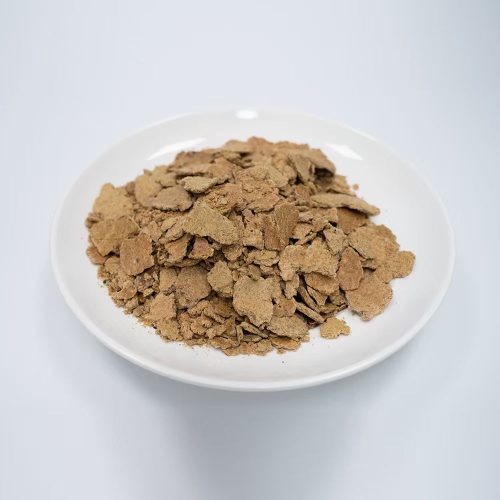
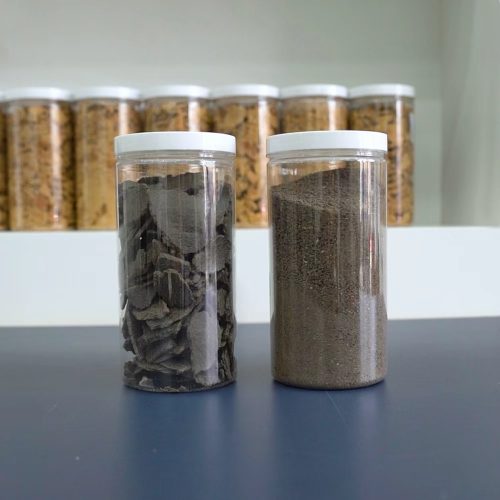
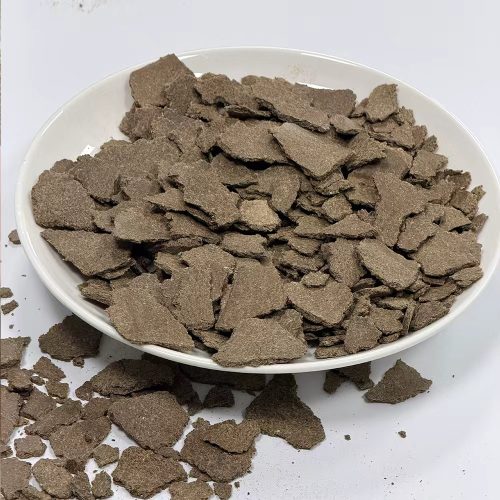
No document can replace physical inspection. Request a sample (1–2 kg) before committing to a full container.
What to check:
Red flag: The supplier declines to provide a sample or charges an unreasonable fee for it.
Choosing the wrong organic soybean meal supplier is not just an inconvenience—it can cost you customers, damage your reputation, and delay your production schedules.
The right supplier should offer:
We have been supplying organic soybean meal to feed manufacturers across Europe with full certifications and stable bulk capacity. Every shipment comes with batch-specific COA, complete traceability, and on-time delivery.
Send us your requirements – we will reply with COA samples and a quote within 24 hours.
👉 [Contact Us] / [Get a Quote]
| Criterion | What to Check | Red Flag |
|---|---|---|
| Organic Certificates | EU Organic, USDA NOP, GMP+ | “We’ll send it later” |
| Protein Consistency | COA for last 5–10 batches | One “ideal” COA only |
| Processing Method | Solvent-free expeller pressing | Vague or unclear description |
| Production Capacity | Monthly output, long-term support | Cannot commit to consistent volumes |
| Shipping Docs | Batch-specific COA, phytosanitary | Docs not ready before shipment |
| Export Experience | Past shipments to your region | Limited or no export history |
| Sample Availability | Physical sample before bulk order | Declines to provide sample |
Q: How do I verify if an organic certificate is valid?
A: Check the issue date and expiry date on the certificate, then contact the certifying body directly using the contact details printed on the certificate. Some certifiers also offer online verification portals.
Q: What is the difference between expeller-pressed and solvent-extracted meal?
A: Expeller-pressed meal uses mechanical pressure to extract oil, with no chemical solvents involved. Solvent-extracted meal uses hexane or similar chemicals. For organic feed, expeller pressing is preferred.
Q: How much protein should organic soybean meal contain?
A: For expeller-pressed organic soybean meal, crude protein typically ranges between 42% and 48%. A minimum of 45% is considered standard for high-quality meal.
Q: Can I request third-party inspection before shipment?
A: Yes. Many buyers arrange for Bureau Veritas, or similar inspection services at the loading port. A reliable supplier should accommodate this.
Q: What is the typical lead time for bulk container orders?
A: From order confirmation to loading, allow 7–14 days depending on the supplier’s production schedule. Ocean transit time varies by destination but is typically 45–50 days to major ports in Europe.
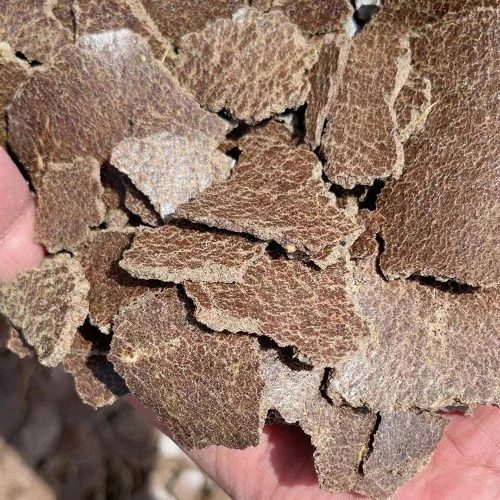
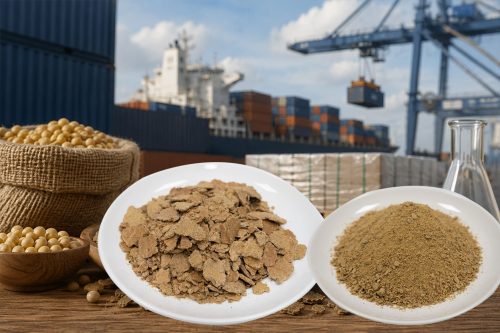
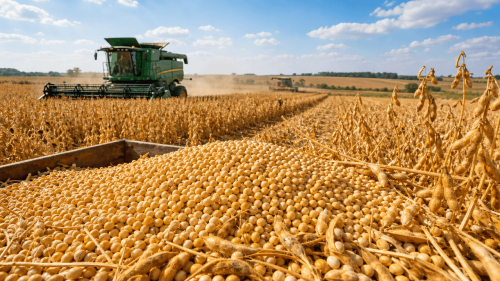

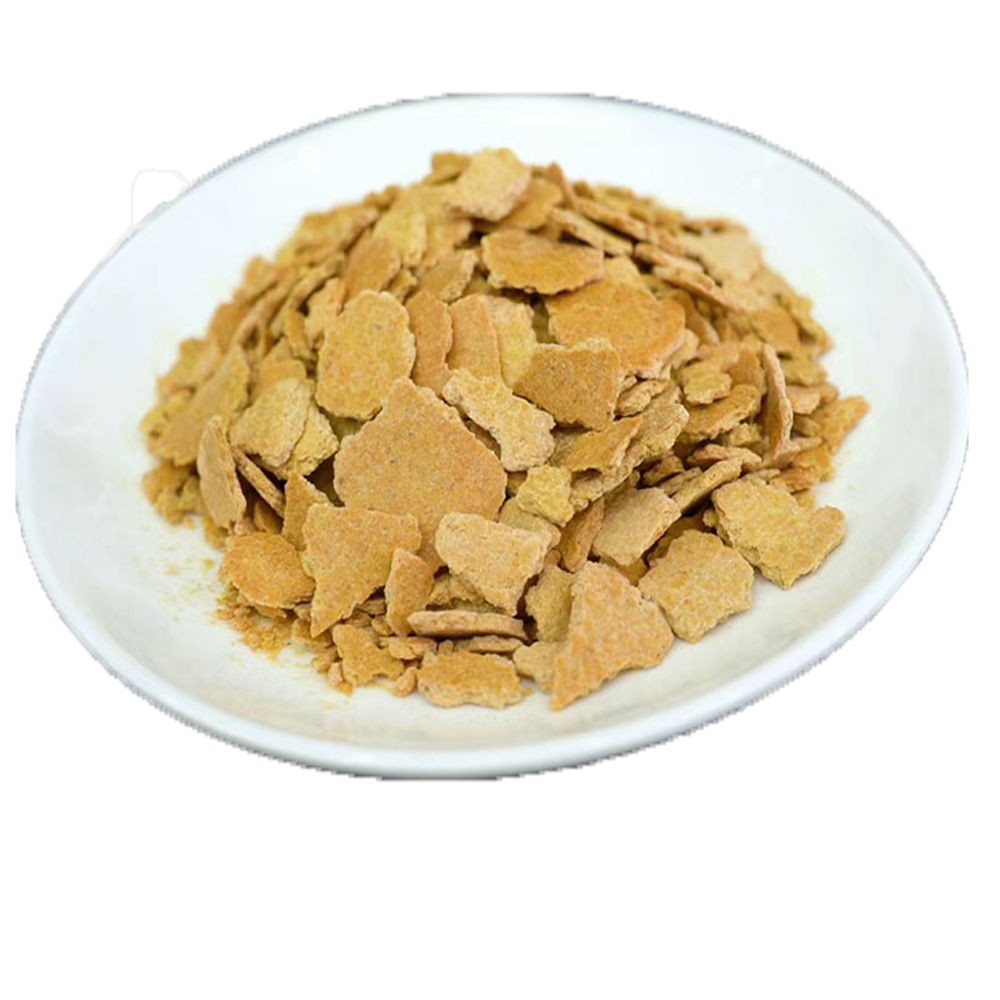
We supply certified organic non-GMO seed meals for breeding and farming. Get fast bulk quotations and free samples.
Chinese (Simplified)

Dutch

English

French

German

Spanish